Action, Sensor Reaction (4)

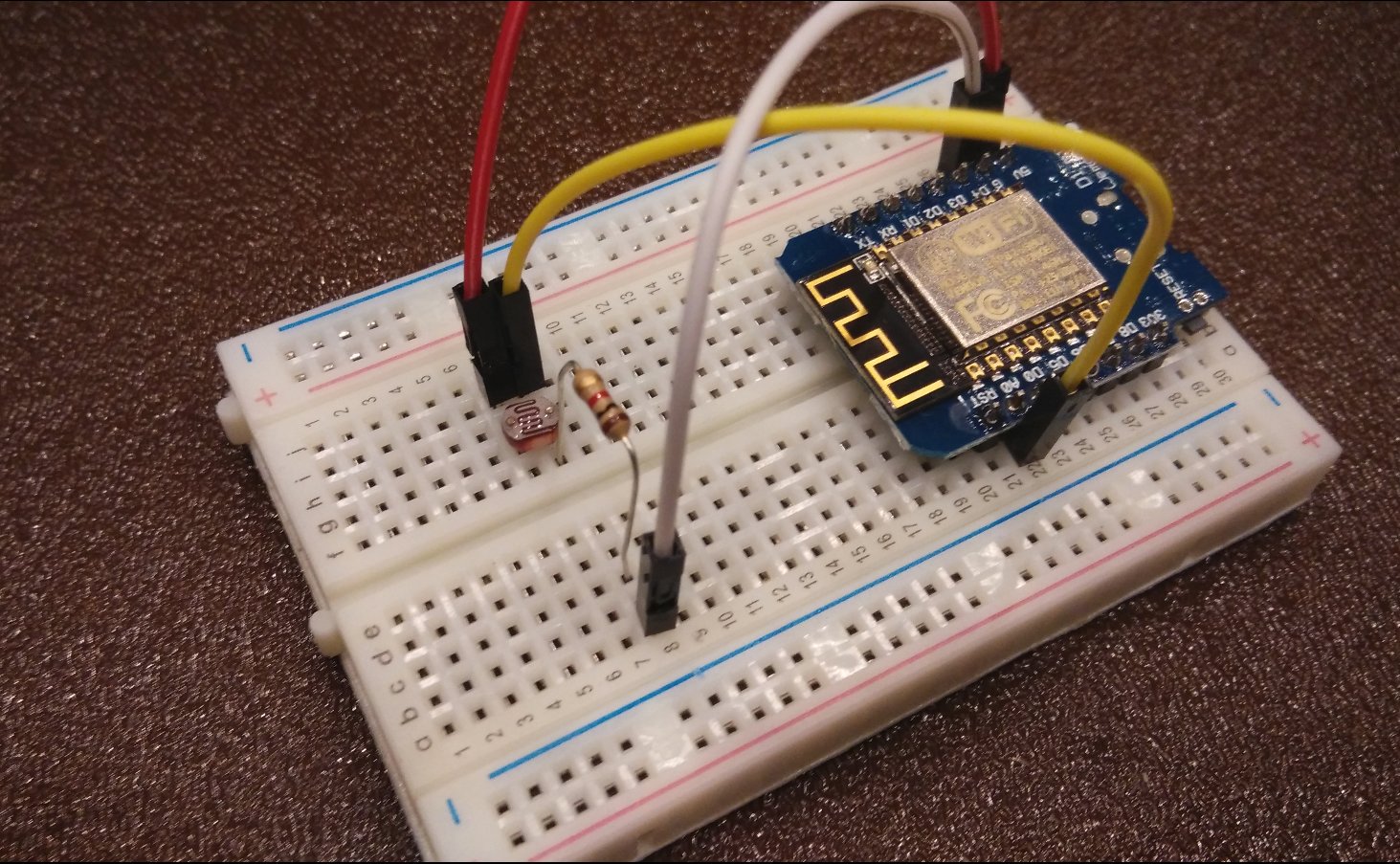
Often when we build devices we want them to react to the external environment. This means we have to implement some sort of sensor to detect the changes. In this case we’ll build a light detector that brightens according to how much shade is thrown upon it. We’ll need to use a light sensor. This can either be a photo-transistor or a Light Dependent Resistor (LDR). The difference is that a photo-transistor is more reactive in certain levels of brightness closer to the human eye while an LDR has a linear relationship with the absolute brightness of an environment. An LDR is also bipolar, which means that it doesn’t matter which lead you plug into ground and positive, while a photo-transistor has polarity like an LED. ...

November 13, 2016 · 5 min

Breathing an LED (3)

Blinking an LED is all fine and dandy, but it doesn’t make for any pretty effects. A breathing LED, now that is something pretty to gaze upon. But how can we do that? A microcontroller only knows two states, HIGH and LOW, how can we get a state in between these two values? The trick is to switch your output so quickly that your eyes cannot detect this change. This is what happens when you switch on a light from an AC current. The light is actually blinking so rapidly that you can’t see the difference between dark and lit conditions. This is what we’ll rely on when changing the perceived brightness of our light. ...

November 11, 2016 · 4 min

Breadboarding (2)

We will blink an LED again, except this time we will move it to to the breadboard. The difference is that we are connecting an external circuit to our microcontroller by giving one of the pins an output signal (much like how everything is run). This is important for two reasons: the signal must be of the right form, and it must be of the right magnitude. Some components might be expecting an electrical signal of a specific order, and when this is incorrect, we get data corruption. Too high a magnitude can burn out a component, so we have to ensure that both the signal type and magnitude are correct. ...

November 9, 2016 · 4 min

Blink, blink. Hello World! (1)

So you have an ULCK set in your hands. Now what? Have you downloaded the Arduino IDE (required for programming) and followed the guide for board definition installation for the ESP8266, the driver installation for the Arduino Nano, or the complete installation procedure for the Digispark? If not please install Arduino IDE before proceeding with the respective installation requirements of each board. Following the time-honored tradition of all guides, a blinking LED will be your “Hello World!” for electronics. Let’s get started! ...

November 3, 2016 · 4 min

Automatically resume downloads with Curl below a certain speed

I recently ran into the problem of having a rather crappy connection and wanting to download a really large file. Often the speed would climb to the kilobyte range before falling back down to 0, where it would not recover. However, I could not spend all my time watching my download, so I cobbled together a solution to allow curl to download broken files automatically by resuming a download if it detects that it has fallen below a certain speed. The following is the code for the terminal in Linux: ...

October 26, 2016 · 2 min

Paracord LED Bracelet

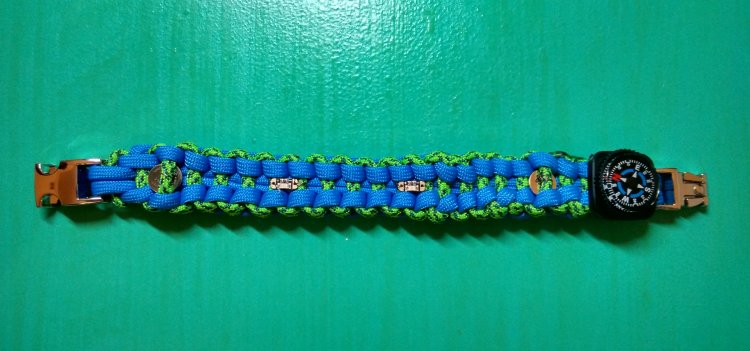
This project is a combination of a paracord bracelet and Adafruit’s LED Friendship Bracelet by Becky Stern which can be found here. The problem that I had with the original design was that the batteries were falling out easily and it was slightly awkward in fitting them in. The advantage that this particular paracord design has over the original is that it has two rails on each side that help to keep the battery in place and can be easily tightened. The original design which called for magnetic clasps was a bit expensive so I opted for metal buckles instead. Do note that with this integration, you’ll have to remove the electronics if you want to use the bracelet as a paracord bracelet. ...

October 22, 2016 · 3 min

The Digispark Temperature Sensor

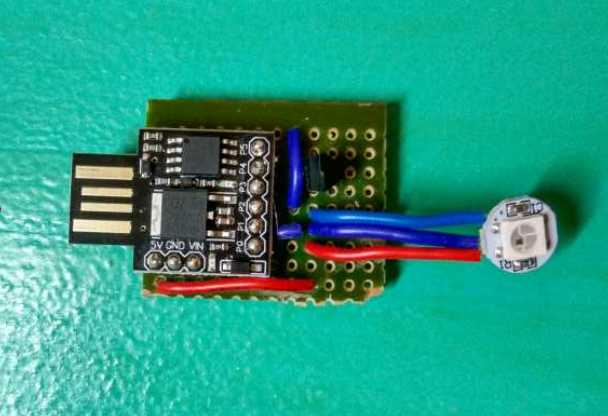
The Digispark is a low-cost Attiny85 module that breaks out all pins in a breadboard friendly format and combines it with a USB interface to allow programming with the Arduino IDE. Because it is open source, others have found methods to reduce the cost of production of this board and it can be had for as low as $1 a board. Figure 1. Completed Digispark Temperature Sensor This particular project allows you to have a temperature sensor that shows you the current ambient temperature in different gradients of light. It is highly portable because it can be plugged in directly to a powerbank’s USB port. You can mount it on a breadboard or a prototyping board. ...

October 21, 2016 · 3 min

The ESP8266 Module

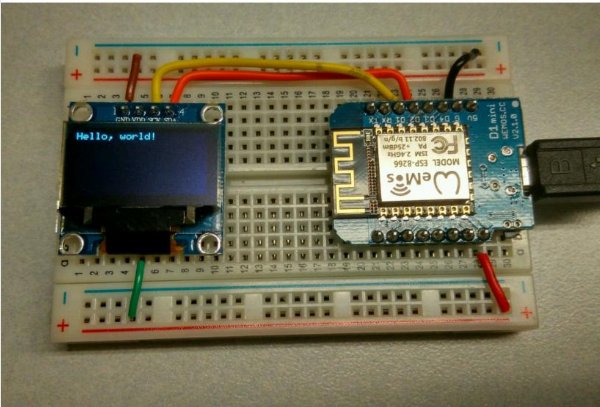
The ESP8266 module is a low-cost wifi chip that was released by Espressif Systems and came to the attention of hobbyists in 2014 when AI-Thinker released the ESP-01 module. Since then there has been a proliferation of chips and breakout boards released to the public. There are many guides out there comparing the various ESP 8266 boards so I shan’t do that here. Instead, I will focus on my favorite board, the WeMos Mini. ...

October 17, 2016 · 3 min

Really Getting Started

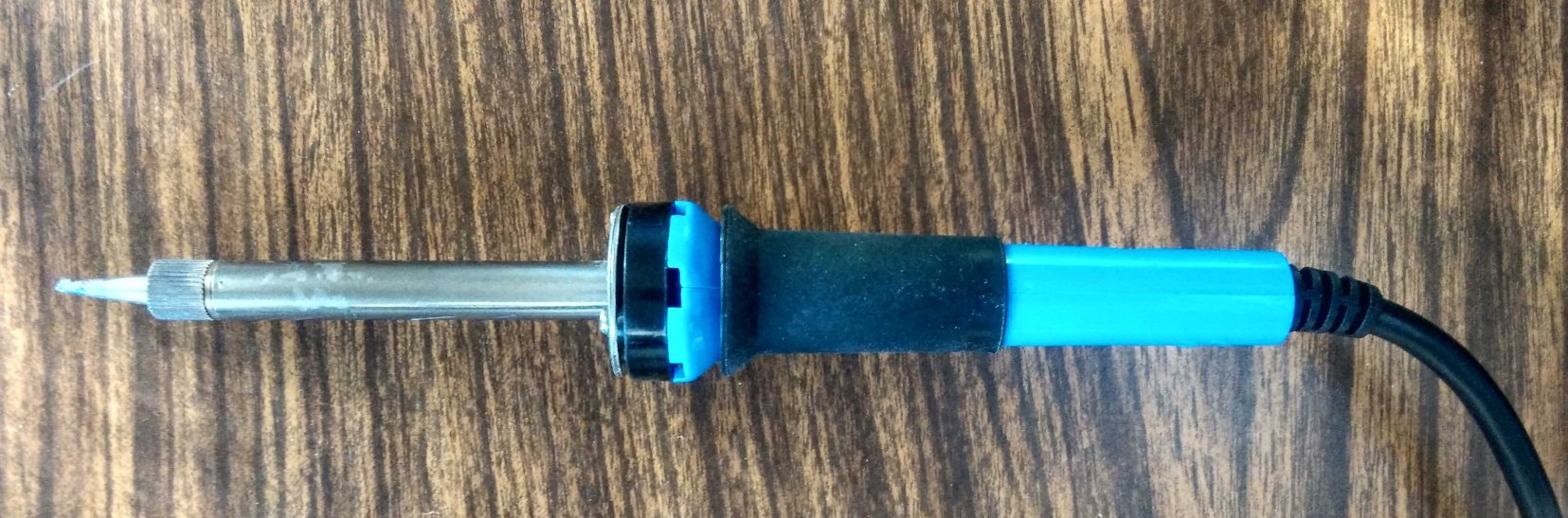
Getting started in Electronics is a daunting prospect, but it doesn’t have to be! Today there are many starter kits that provide all you need to start doing your own project. However if you really want to get down to it, what you really need to do is to start putting together projects permanently, and this guide serves as an introduction to really getting started in Electronics. List of items Soldering Iron ...

October 6, 2016 · 6 min

The Drawdio

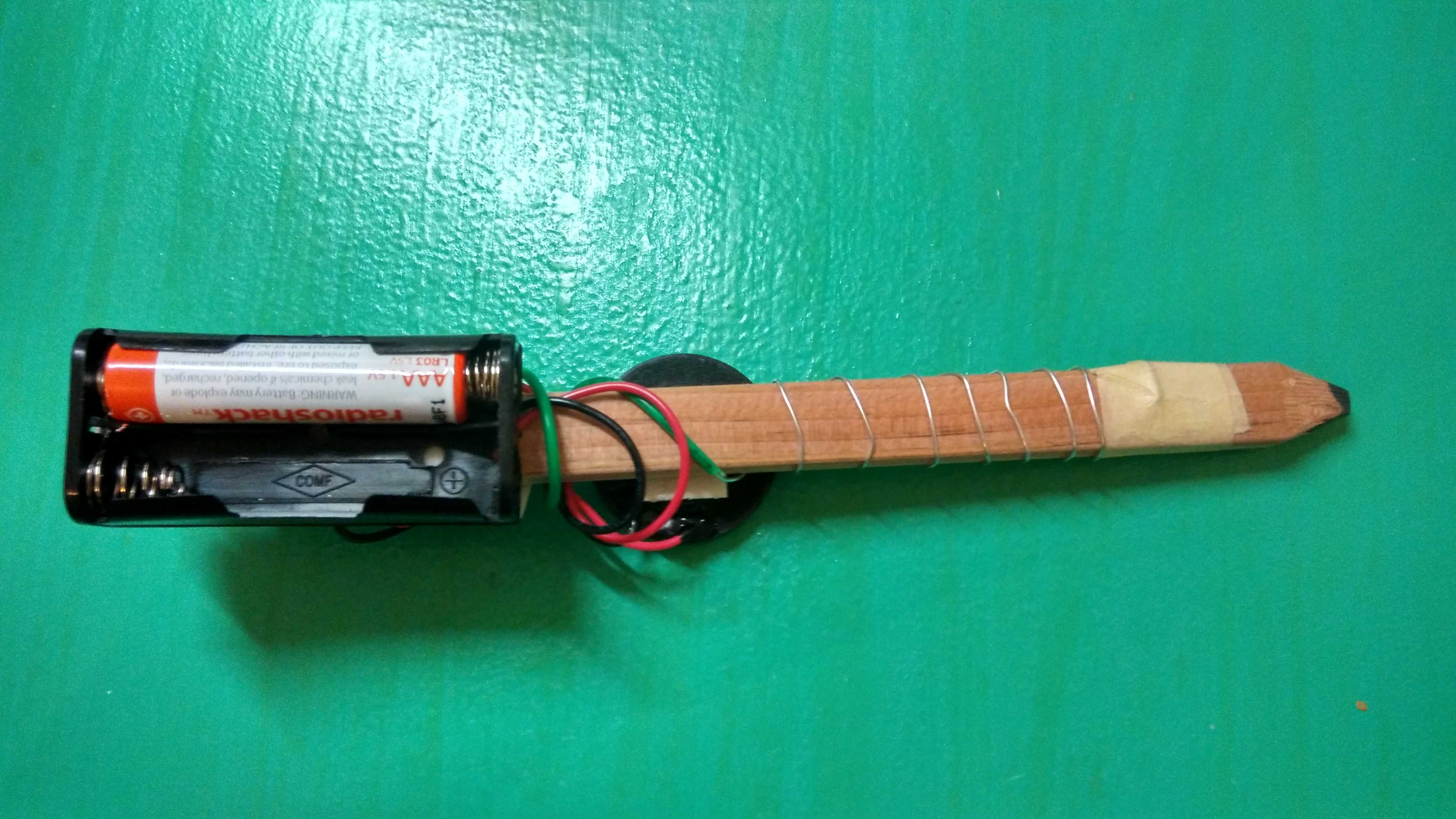
I got started by Googling how to get started with Arduino and came across a description of the Drawdio in the post. I followed the link to the Maker website and began my project. Description It was easy to get started on this project because there was a electronics lab that I could access. They had the resistors and capacitors that I needed and I found a board in the lab that I could use to solder everything on. There was a RadioShack nearby so it was easy to obtain all my other components. ...

September 20, 2016 · 2 min