Webroots 2: Cloud Streaming

Now that we’ve got all our wireless programming tools set up, we will begin to interface with the Night Light directly. Say I want a different color? Fiddling with the RGB values is fun up to a certain point. This tutorial will teach you how to set up a service in the Adafruit IO to change the light from your phone. We will utilise the Adafruit IO since it is very easy to set up and use. ...
July 18, 2017 · 6 min

Recent projects, Summer

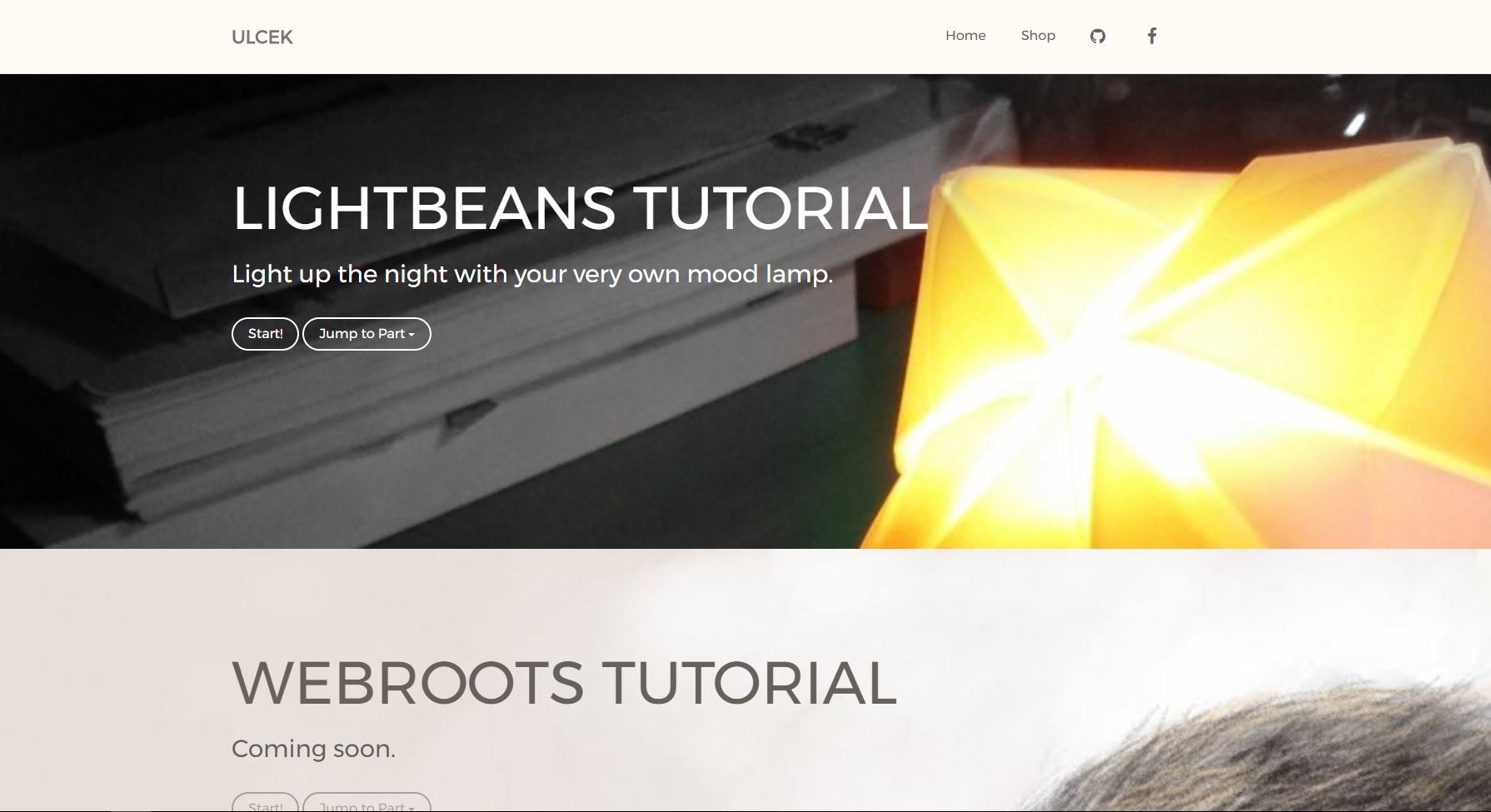
It has been awhile since I last posted. Since I am away from most of my tools, most of my focus has been on design. I made a fairly decent personal website to showcase my projects at benjamenlim.com. I also remade the ULCEK website because it wasn’t as I had envisioned it to be and was only an early design. Currently ulcek.com is still under construction but this is an early preview of how it is to look like: ...

July 16, 2017 · 1 min

New Day, a Chrome Extension

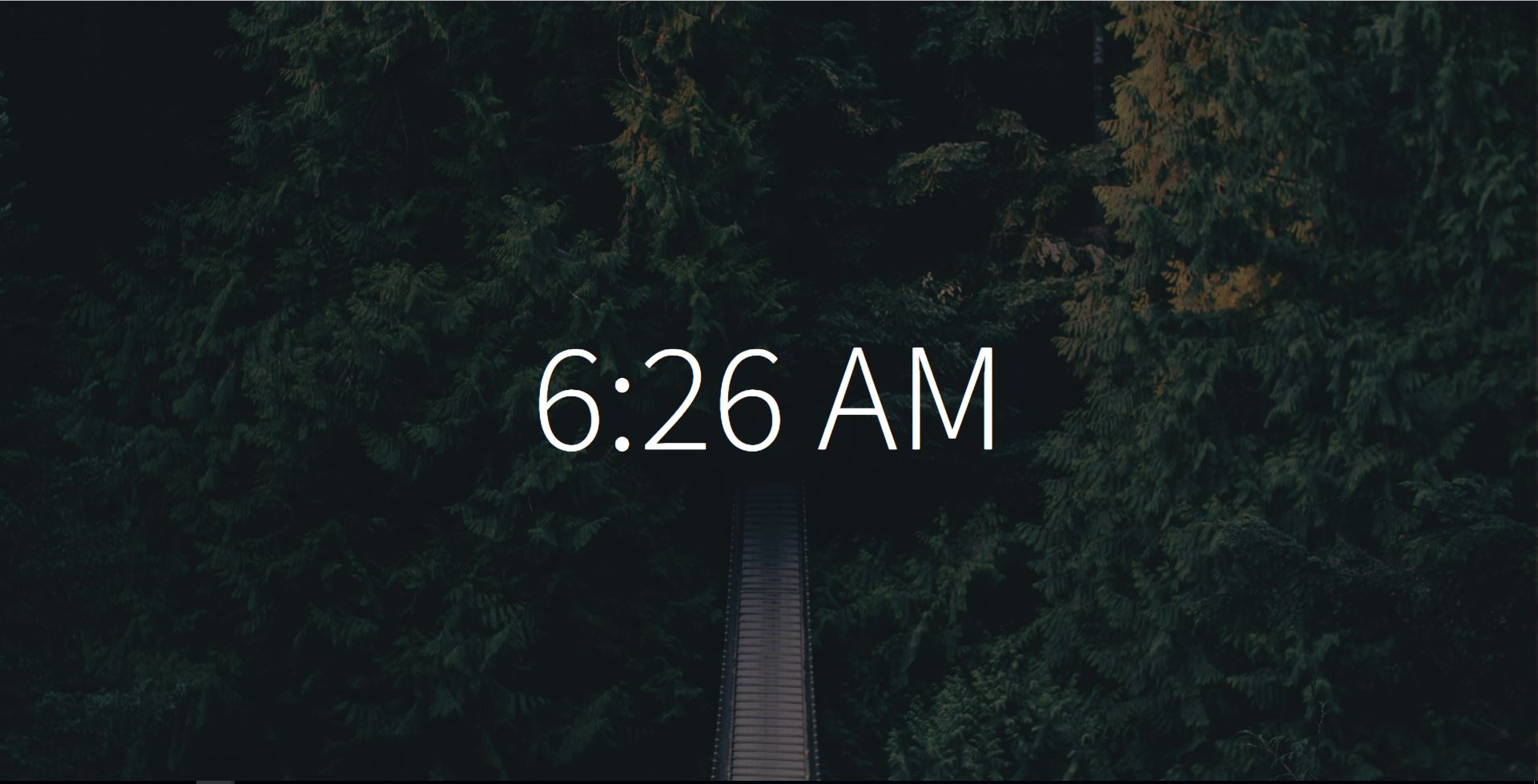
I first came across Zest while browsing the Adafruit blog. It struck me as one of the better put together student projects and I was very impressed by the completeness, both by it’s technical aspects and the design, so naturally I wanted to see what other projects the team has done. One project in particular stood out to me: New Day by Arielle Chapin. It is very well designed new tab extension that you can add to Chrome. I edited the code and it is now on Github and the Chrome Webstore. ...

July 2, 2017 · 4 min

Orange Pi Zero/Dash Button Access Point Setup

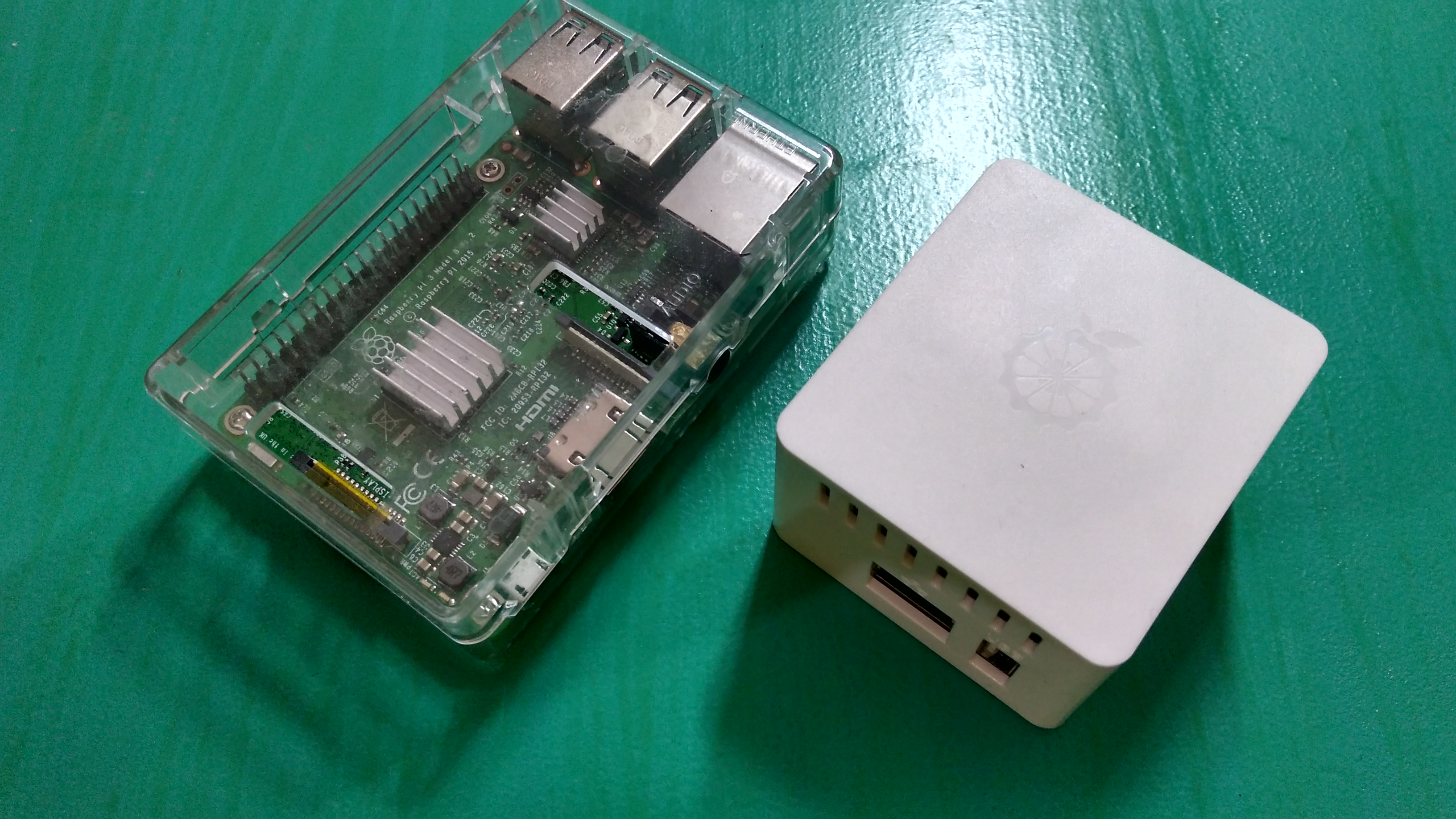
This is a very condensed tutorial on how to set up an OrangePi running Armbian as an access point to intercept Dash Button commands, allowing you to have wireless buttons on the cheap. This is a project that migrates the existing solution I had on my Raspberry Pi 3 to the OrangePi, which frees up my Raspberry Pi 3 for other tasks, since most of the commands are replicated, the commands are listed here in order to set up the OrangePi. This tutorial borrows very heavily from frillip’s tutorial and the python script borrows from Familab’s tutorial. ...

June 11, 2017 · 4 min

M0 Plus Breakout Board

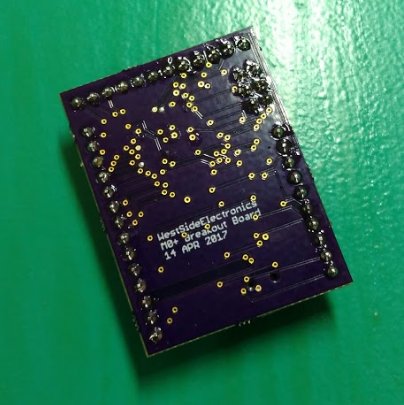
Chronicling my adventures of making and remixing various boards with the marvelous SAMD21 M0+ chip in all it’s various incarnations. The link to the GitHub page is here. Why the Cortex M0+? It is a very popular choice for hardware companies for providing a mid-level chip that is more powerful than an Arduino but less powerful than a Teensy. So there was already existing support. I have also worked with ARM before (M4!) and I was reasonably familiar with the process of programming it as compared to using a PIC-based chip. ...

May 1, 2017 · 4 min

Problems with CH340G drivers

So some cheap Ardunino Nano and the WeMos D1 Mini use the CH340G drivers. This has caused some users that are on Yosemite or later to experience persistent rebooting issues. The current fix is to use a newer version of the WeMos D1 Mini, ie the WeMos D1 mini Pro that uses a CP2104 driver to communicate with the computer.

April 27, 2017 · 1 min

The Wayfinder Glove

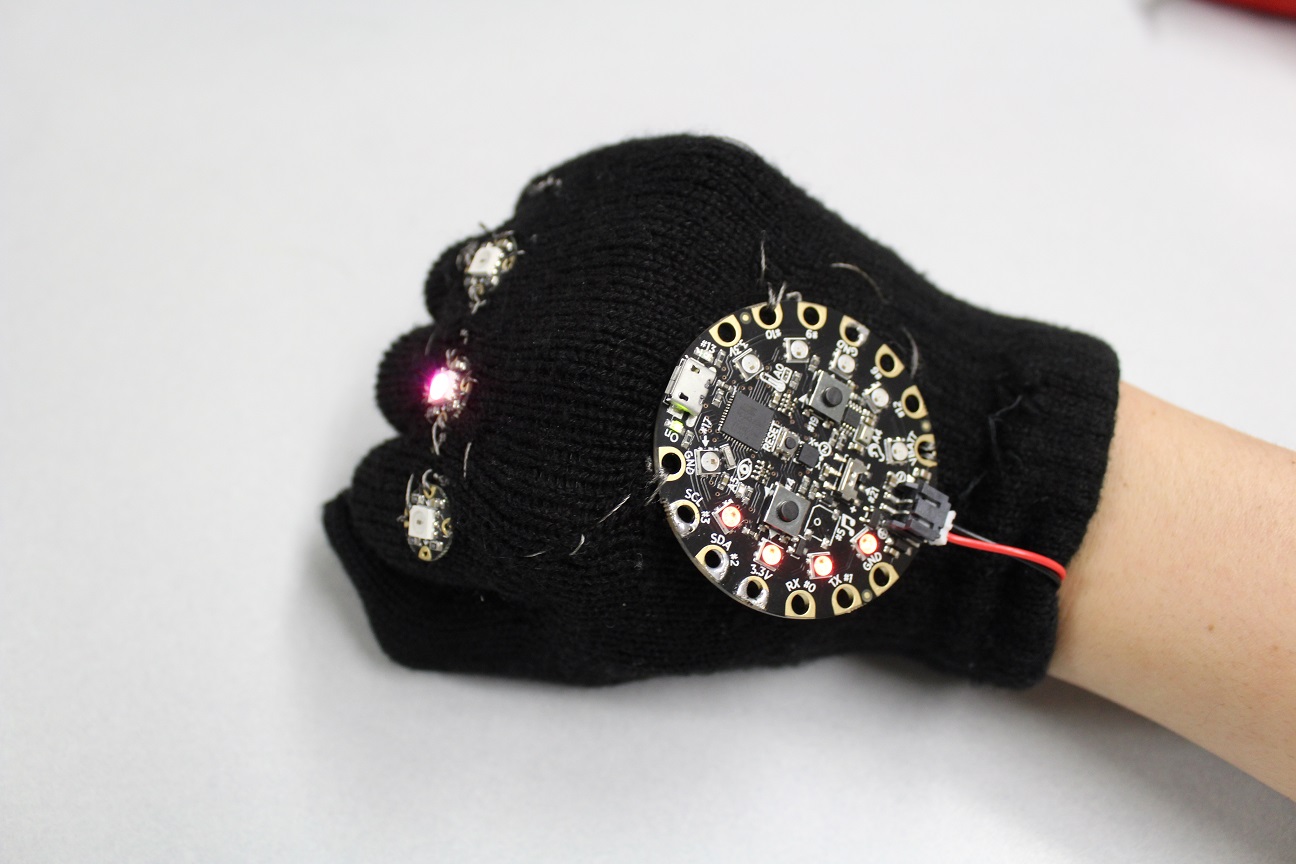
This is a cycling glove that lights up with a flick of the wrist. Additional projected capabilities include bluetooth communication, a compass mode, and a waypoint mode where the glove points you to your next waypoint. Lights Figure 1. Lighting on glove This glove uses the Adafruit Playground as the board and it is powered by two CR2032 batteries. The first of these capabilities is the lighting on the glove. It is meant to provide light to show you the way, and the Neopixels are specifically positioned to point forward when you clench your fist. This is useful when you want to hold something and need a light. ...

March 22, 2017 · 3 min

BreatheDot: A Portable Battery-Powered Meditation Aid

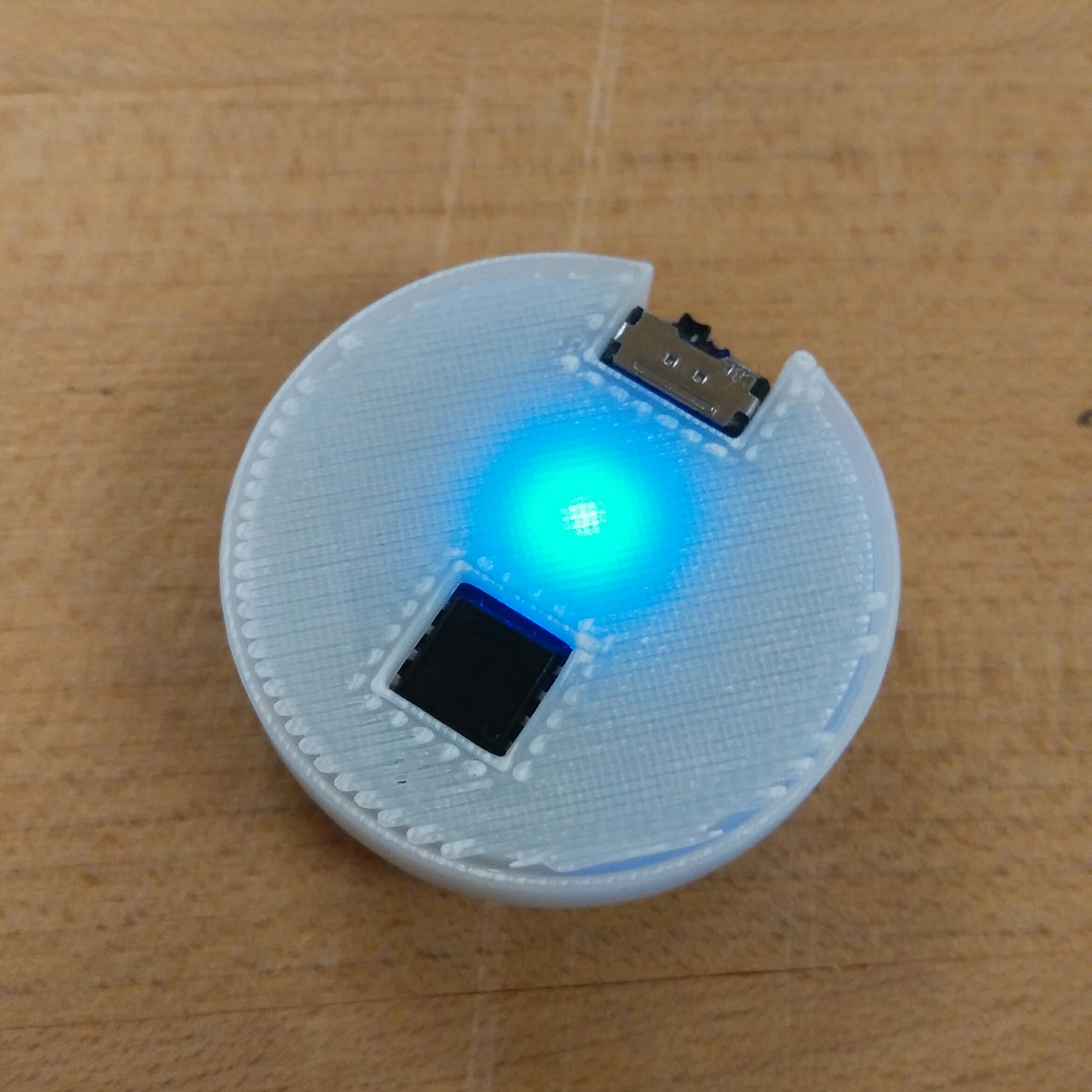
Calm down, refresh, and focus with this little tool. A Hackaday Prize Finalist! Background There is a class at the university that teaches the basics of how to go from concept to design for an electronics project, from the breadboarding, to the soldering, and the manufacture and debugging of a PCB. As it is with nearly all electronics projects, a blinking LED is the always the first port of call, a test of your basic understanding of the device. So I designed a flasher, which evolved into a device to assist anxiety, and won a Hackaday Prize. ...

March 18, 2017 · 6 min

The Headcrab Project (taking control of another circuit)

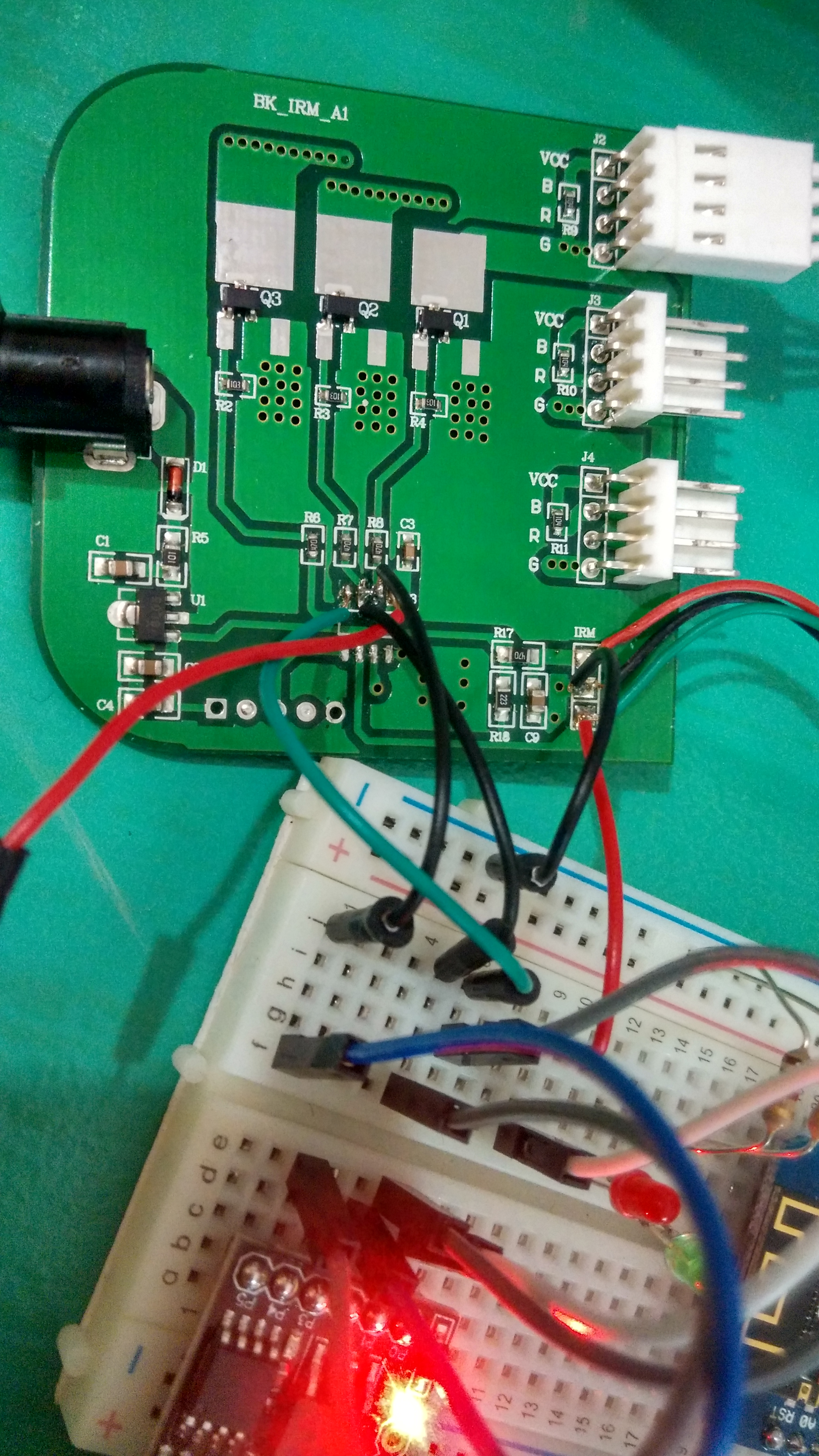
So, this week I managed to get my hands on one of these (recycled): Figure 1. 3-Light LED RGB Puck Light Kit This is sold in Home Depot for about $30. However, the one that I salvaged did not have the remote, so I was unable to switch it on. I tried an IR remote that I had, just on the off-chance that they shared the same protocol, but no luck. Going off on a tangent here, I feel that Arduino starter kits are amazing for spare parts, but not so fun if you are learning Arduino. ...

February 19, 2017 · 4 min

Webroots 1: OTA updating and Interrupts

In this series of tutorials, we will utilize the wifi-capabilities of the ESP8266 chip and talk to the internet. We will first enable the Over-The-Air ability of our ESP8266 chip for future convenience. Please select your board under Tools > Board. Plugging and unplugging the ESP8266 can be a hassle especially if you want to use it with a power source that is not your computer. Fortunately, the ESP8266 comes with an ability to update itself Over-The-Air (OTA). What this means that the board connects to an Access Point (AP) also known as your router, and awaits instructions. Think of it as an invisible USB cable that is connected from your computer to your board via WiFi. ...

February 10, 2017 · 8 min