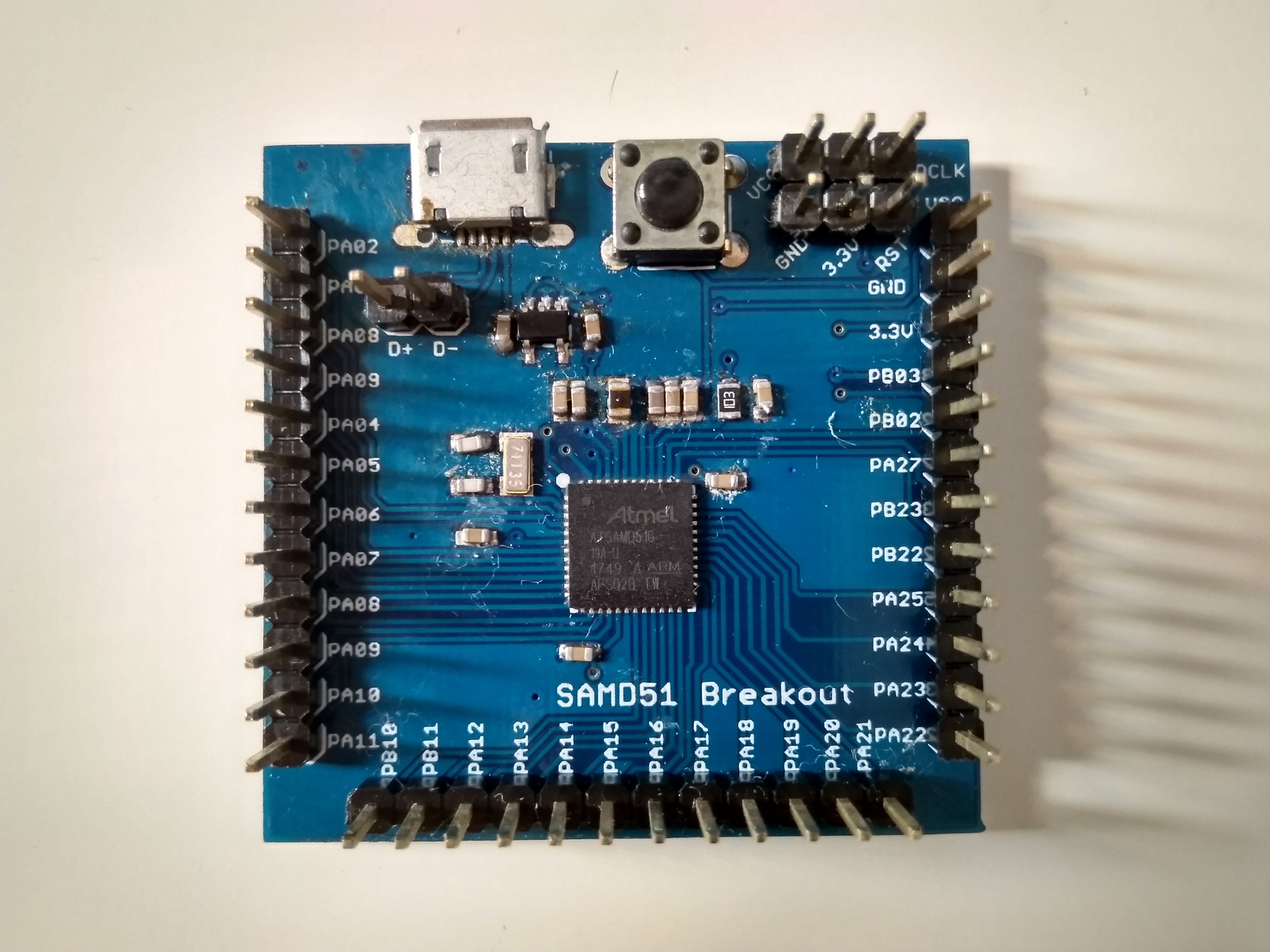
Building a SAMD51 Breakout board

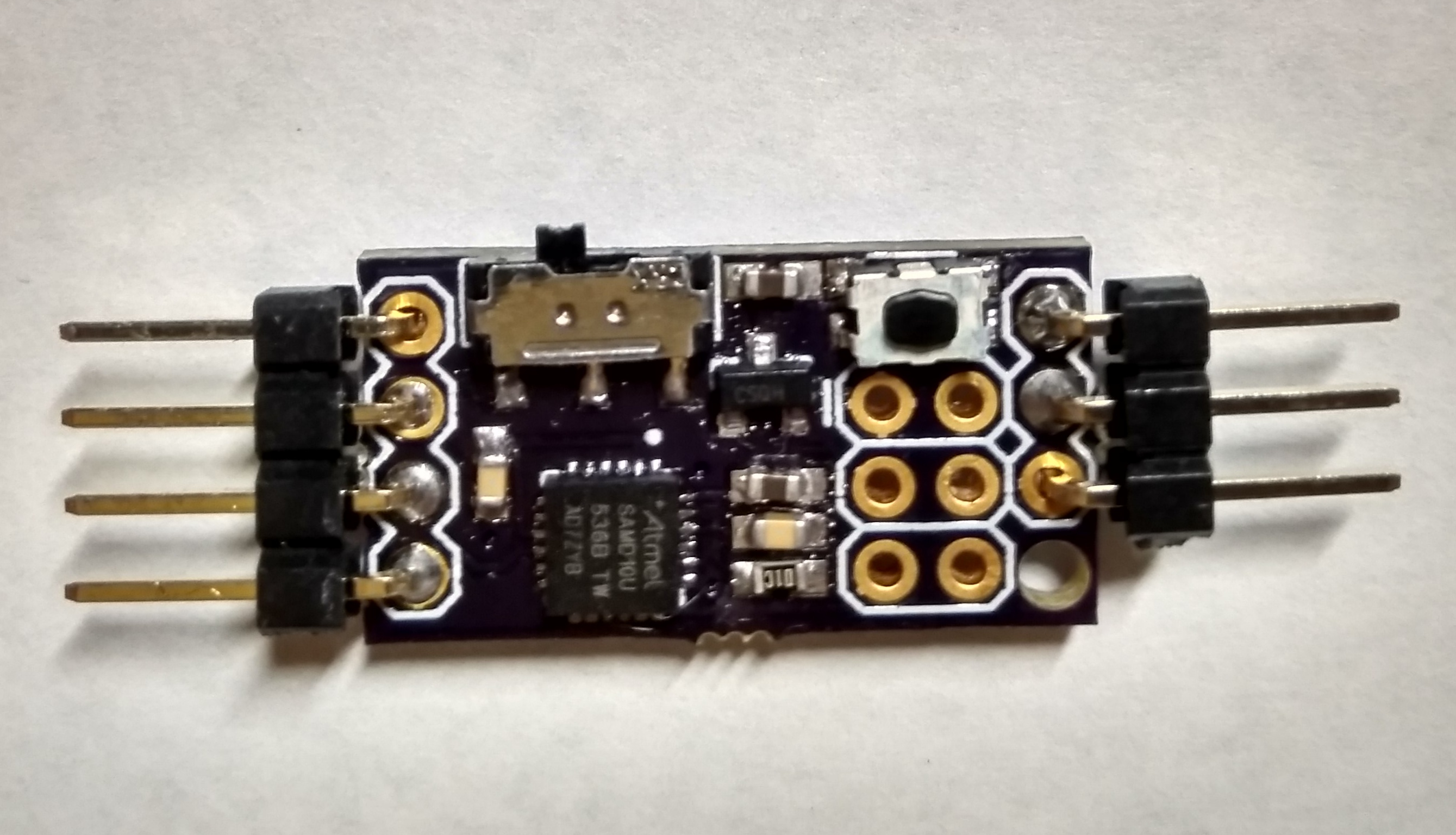
The SAMD51 is a next step up from the SAMD21, a popular series of chips that have been used for various boards. It has more memory, more space, and is a more advanced chip. What does it do? It is a breakout board for the SAMD51. It takes all the pins and locates them on conveninent headers for easier prototyping. Why is it cool? Microchip has not released a Xplained Board and so far the only two breakout boards are from Adafruit, which does not break out all the pins, and Mattairtech, which breaks out more pins, but not all. This breakout board breaks out all the pins while keeping the number of components as low as possible. ...
July 23, 2018 · 2 min

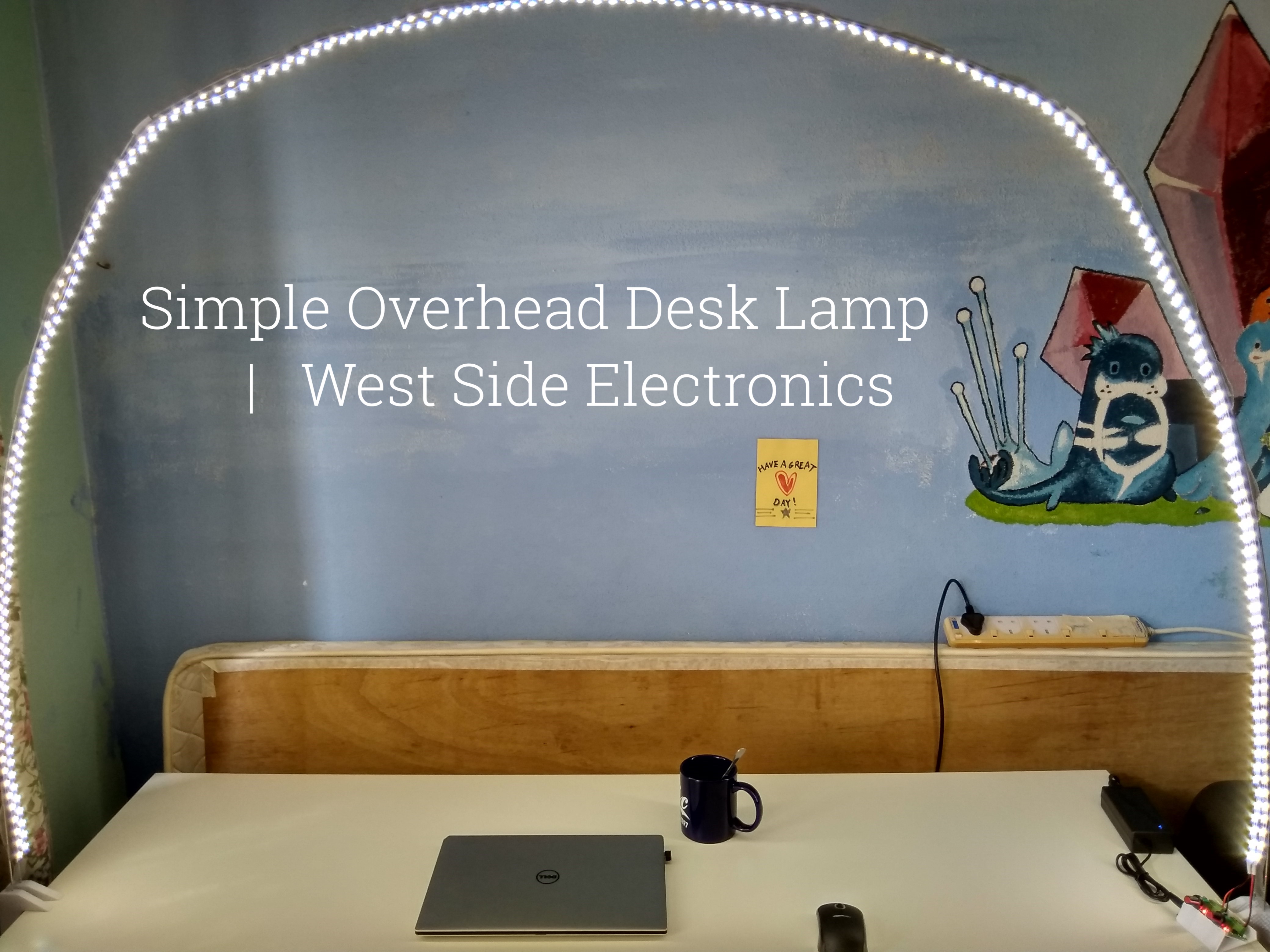
Simple Overhead LED Desk Lamp

This is a easy project for adding some really nice lighting to your desk. It is an LED strip suspended in an arc above the desk, providing efficient lighting with almost no shadows. There is no soldering involved, so it is perfect for your first project if you’ve never worked with electronics before. The original project is from DIY Perks, in which the overhead lamp was made with aluminium strips and the stands were made out of concrete. However the problem I had with the original design was that concrete takes a while to dry (about 2 days) and it took a few tries for me to get it right without it being either too sandy or crumbling apart. ...

July 22, 2018 · 7 min

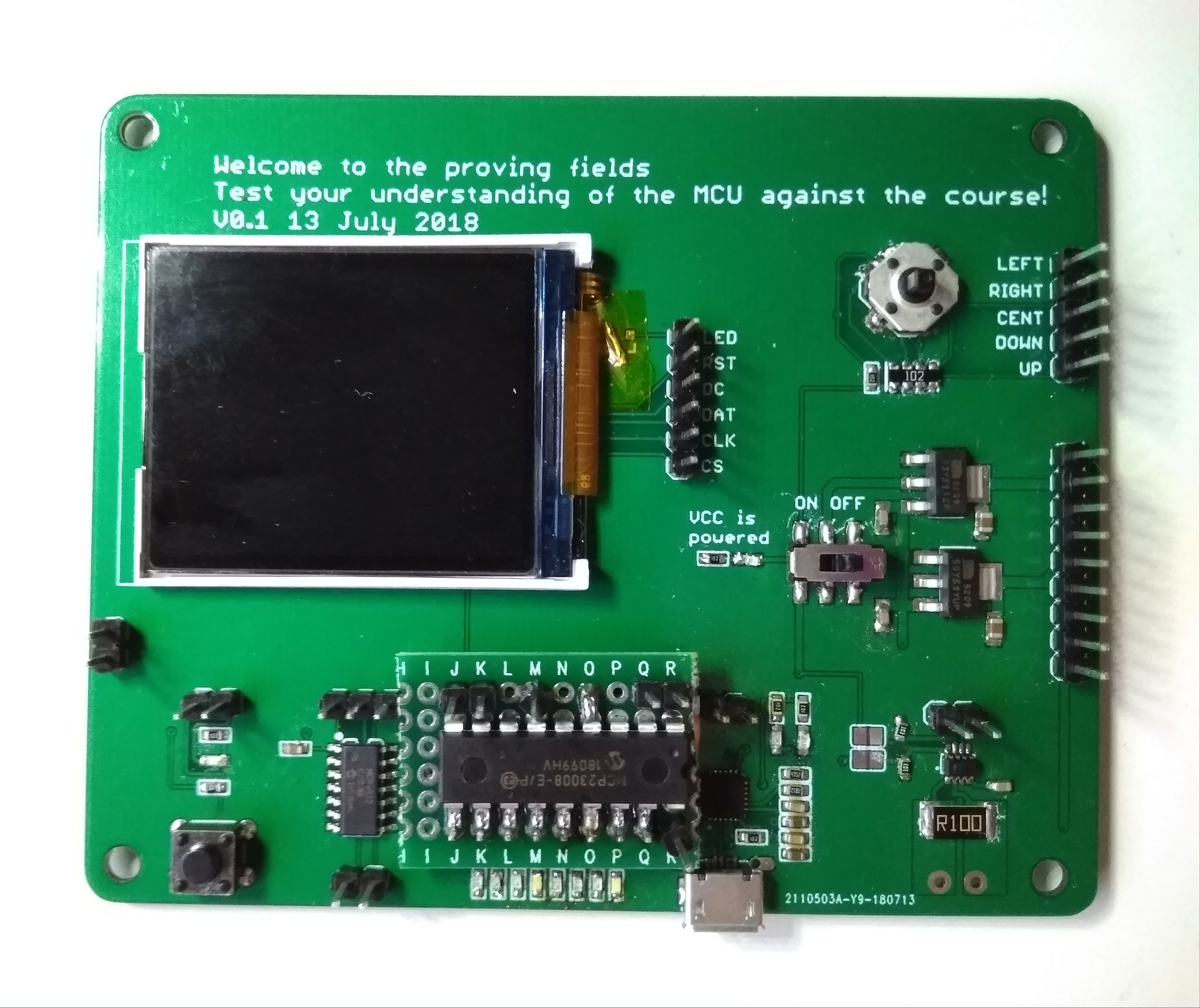
Proving Fields

What is it? It is a PCB that has components mounted on to test the understanding of protocols like blinking an LED, using interrupts, and communication protocols like I2C and SPI. Why is it cool? Getting to know a chip almost always follows the same process: Blink an LED, read a button, use SPI/I$^2$C, get a screen to work. I realised that I was building the same circuits over and over again on the breadboard, so I decided that I wanted a more permanent solution. ...

July 19, 2018 · 13 min

Motor Motion Module

This is a DC Motor Controller that is built off the TIVA TM4C123. This microcontroller has several nice features, such as a CAN bus and two hardware quadrature decoders. This means that we can attach quadrature encoders to any motor and use them to compute a position for the motor. With a CAN bus we can link up multiple controllers together to precisely control the motion of each motor. This enables the builder to construct bigger and more elaborate robots with each connection. For example, a single board can drive a differential drive robot. Two boards can drive a SCARA arm robot, three boards can drive a full 6DOF robot arm. ...

July 15, 2018 · 2 min

Model Rocketry

What is it? Model rocketry is a sport where you launch rockets that you built into the sky, sometimes kilometers high, and retrieve all components, hopefully intact. Why is this cool? Model Rocketry combines mechanical and electrical components and puts them into a the same chamber as a controlled explosion. Introduction Long story short, we won 2nd place in the Midwest Rocketry Competition 2018 with The Lemon, pictured below: ...

July 9, 2018 · 4 min

Getting Started with SMD, resources and common components

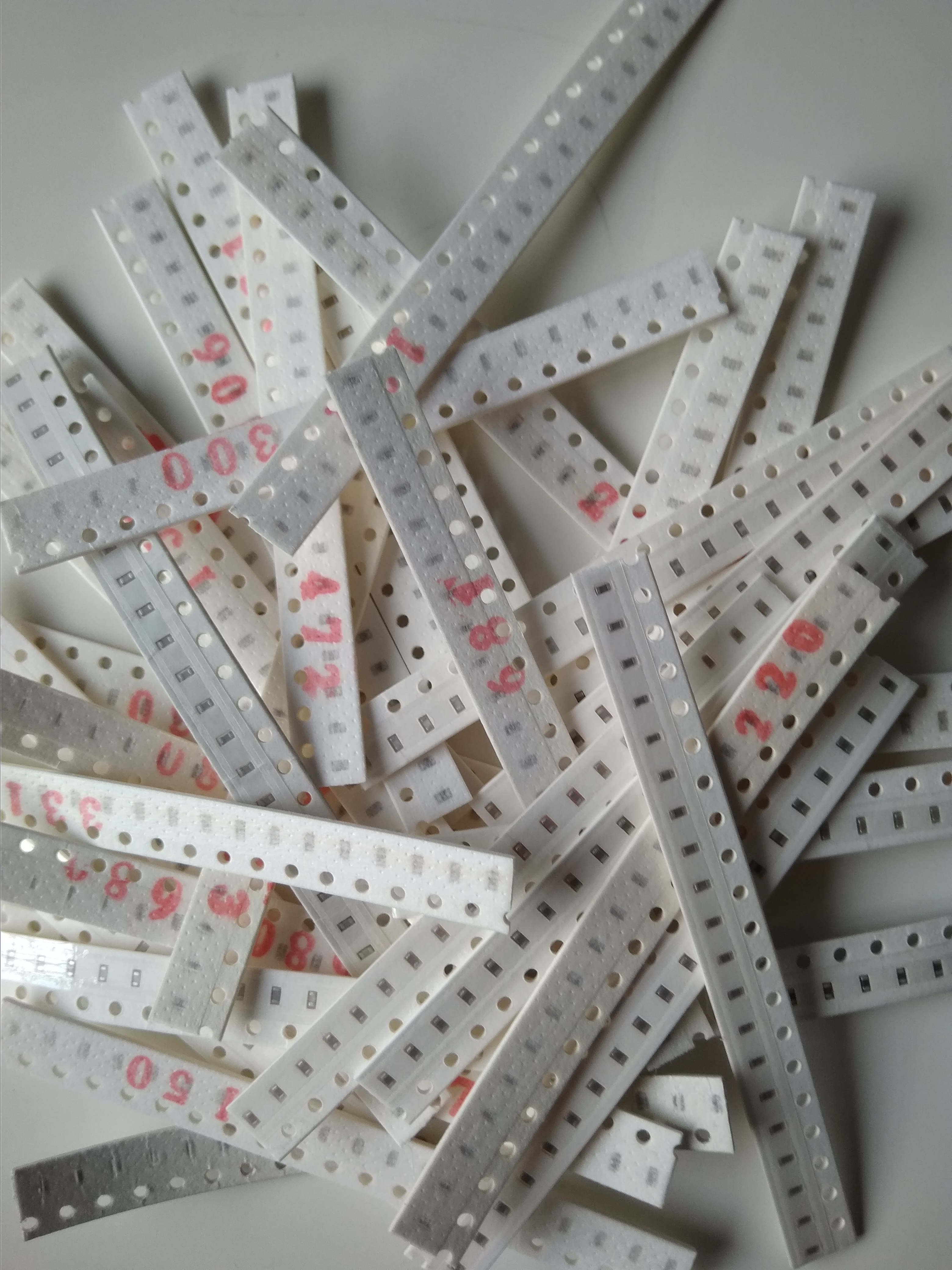
What is it? This is a list of all common electronics components that I use. Why is it cool? It is my reference when I am picking out components, and it helps when I have a standard set of components that I use. Power I use Microchip’s LDO selector for my power requirements: http://www.microchip.com/ParamChartSearch/Chart.aspx?branchID=90004 MIC5209 500mA, SOT223, good for powering beefy components if heat dissipitation is a concern, has a higher range of voltages (16V) than the MIC5219. ...

July 4, 2018 · 4 min

Pegbot

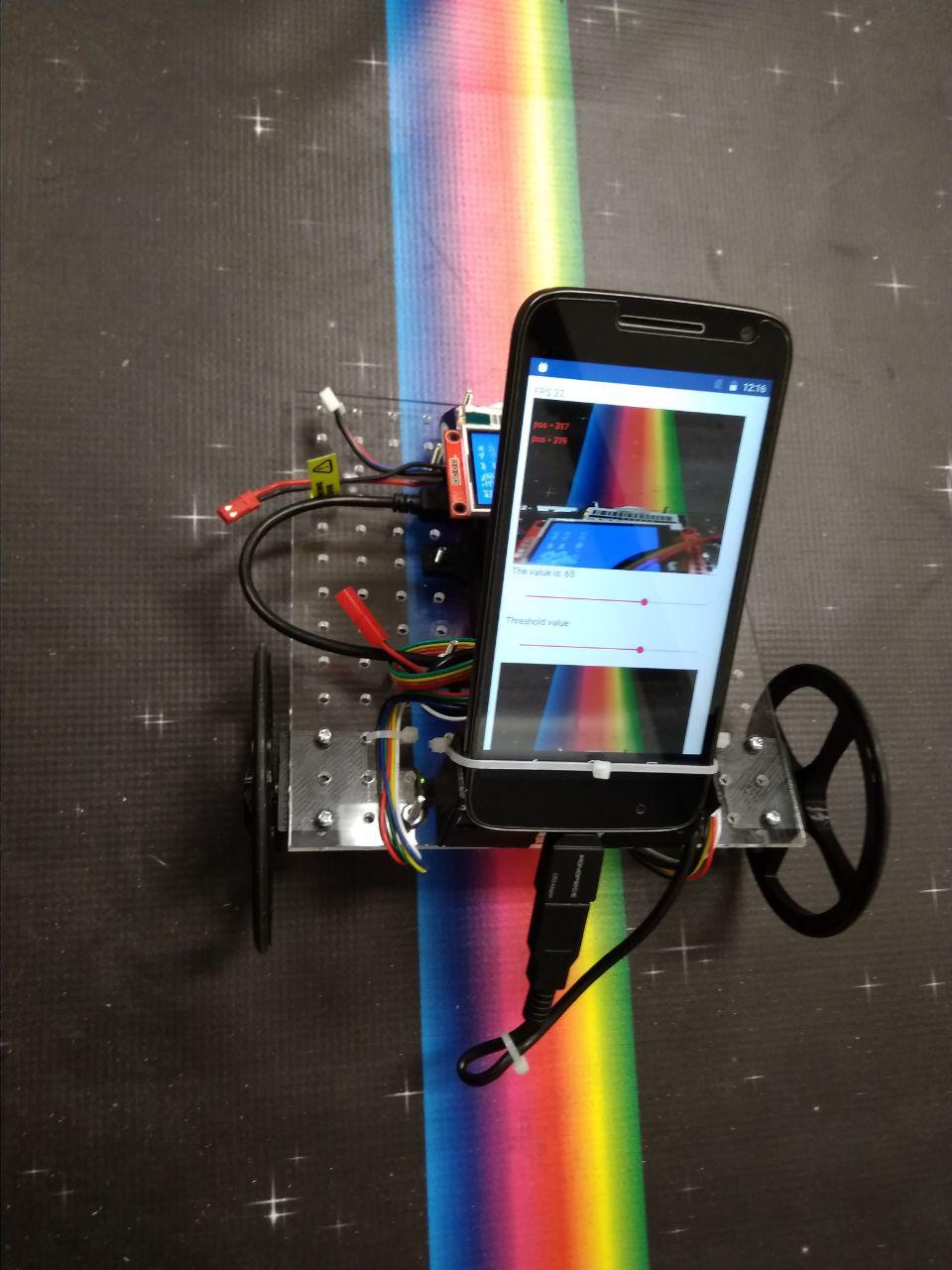
Pegbot is the robot that I submitted for the 2018 Tech Cup at Northwestern University. In this competition, robots are tasked to follow a rainbow line around in a loop and over a 45 degree ramp on a timer. What does it do? Pegbot is a robot that combines a microcontroller and an Android phone to track and follow a line. Why is it cool? I had to overcome several challenges to get the robot to work quickly and consistently. I feel that these lessons learnt can be applied forward in other robotics projects. ...

June 17, 2018 · 6 min

Neopixels with the SAMD10

The SAMD10 is a Cortex M0 ARM chip that comes in an SOIC format. This makes it easier to solder and particularly attractive for small applications, since they are cheap (<$1!). The WS2812b, or the Neopixel, is an RGB LED that uses one data line to display 255 x 255 x 255 different colours/intensities. In this project, I managed to get the protocol to work on the SAMD10 chip. What does it do? It is a protocol to light a string of Neopixel RGB LEDs in C. ...

June 15, 2018 · 7 min

Creating an Access Point (11)

Now that you have a little bit of experience with using the WiFi on the ESP8266, we’ll now set it up as its own access point. This makes it useful if you’re running the ESP8266 as a standalone device, perhaps collecting data on the temperature or monitoring some sensor. It makes it easy to access the ESP8266, which might be placed in a hard to reach location. First off, the library that we need: ...

June 6, 2018 · 2 min

How to stream data from Arduino to Android with the JDY-08

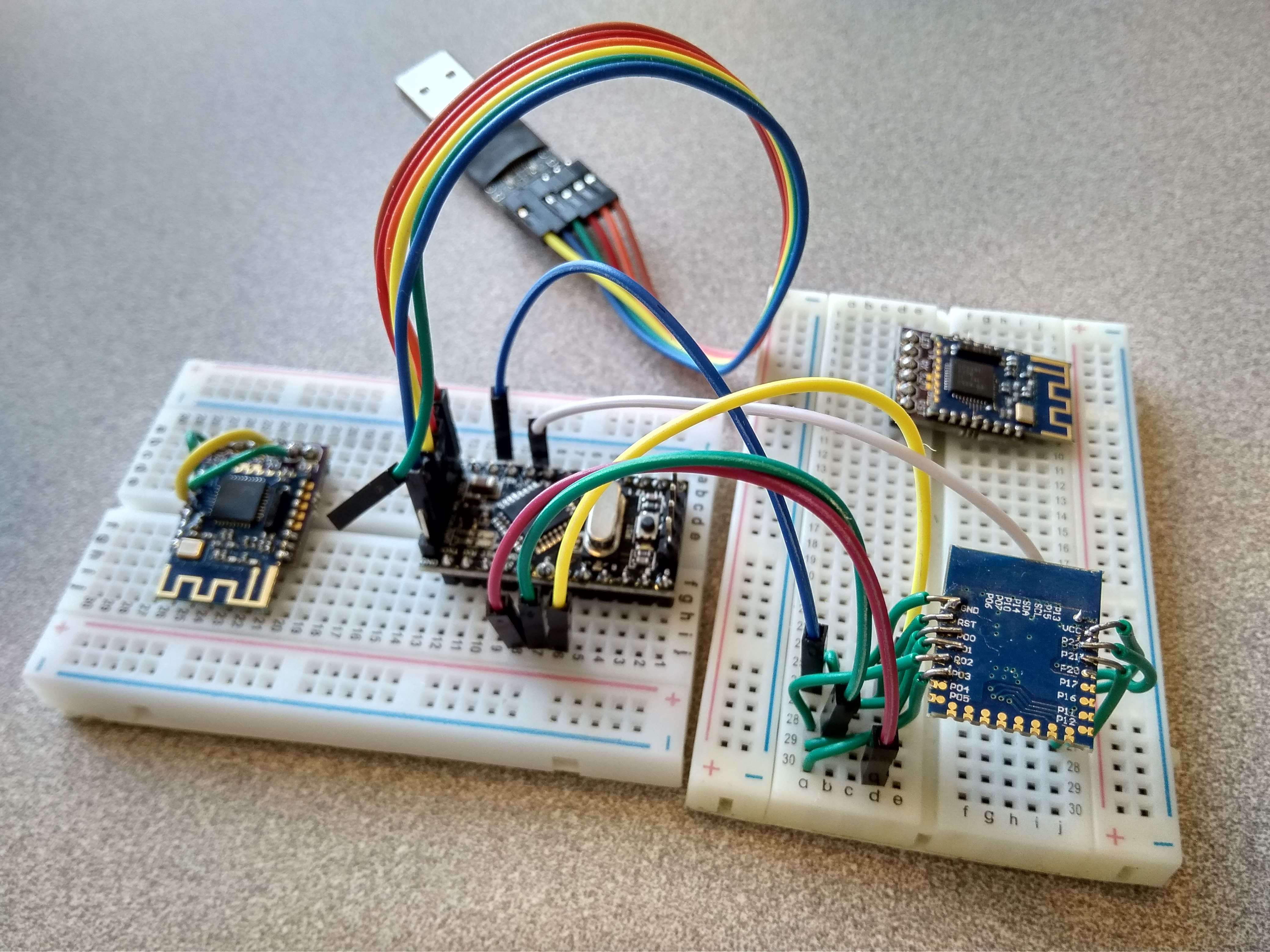
The JDY-08 is a tiny Bluetooth module that is really cheap and comes with everything on board. It is a easy and quick addition to existing Arduino projects to give them a little wireless magic. It is better than the HM-11/HC-05 boards because it uses BLE, which has lower energy consumption, takes up less space, and is still able to stream data transparently. This is a description of how to set up the JDY-08 to stream data from Arduino to Android without installing alternative firmware. It uses the default configuration that ships with the module. ...

June 3, 2018 · 7 min